TAINTED BLOOD
In the shadow of the Spanish Inquisition, a Jewish woman and a Christian nobleman fall in love — and pay for it in fire, faith, and exile.
A NEW MUSICAL DRAMA
A New Musical Drama
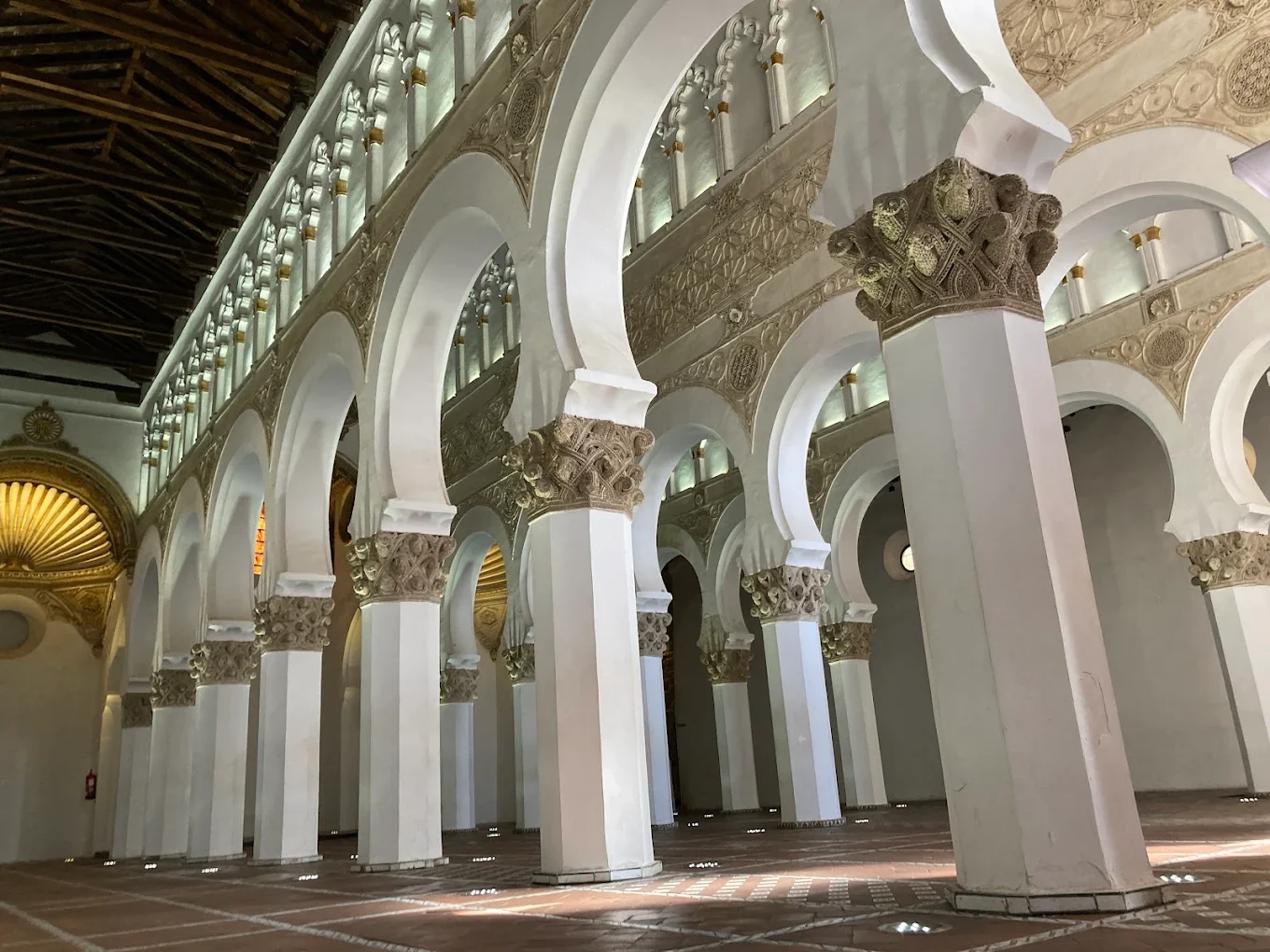
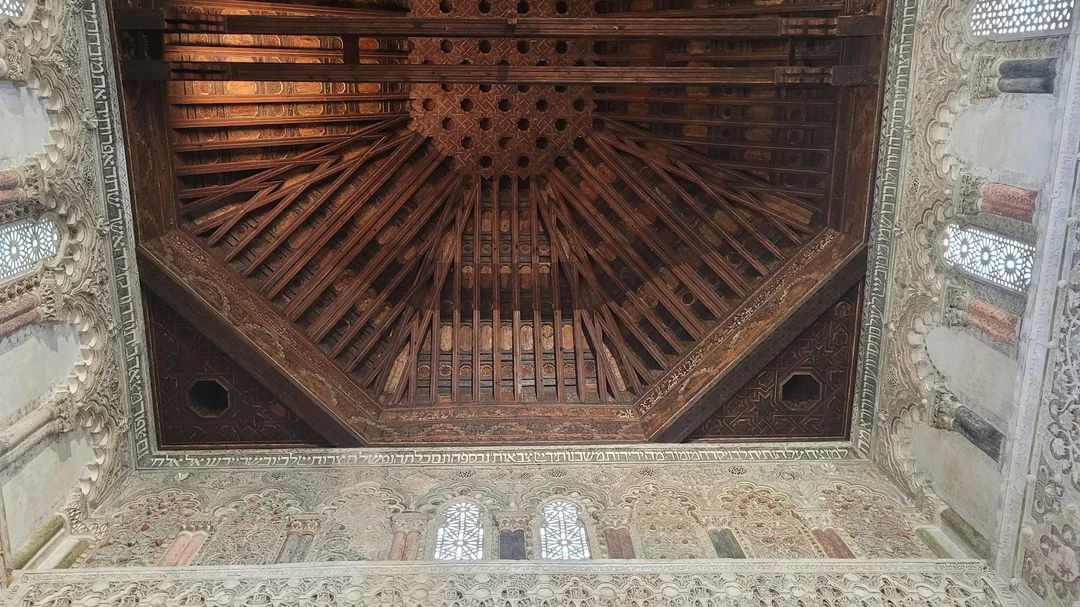
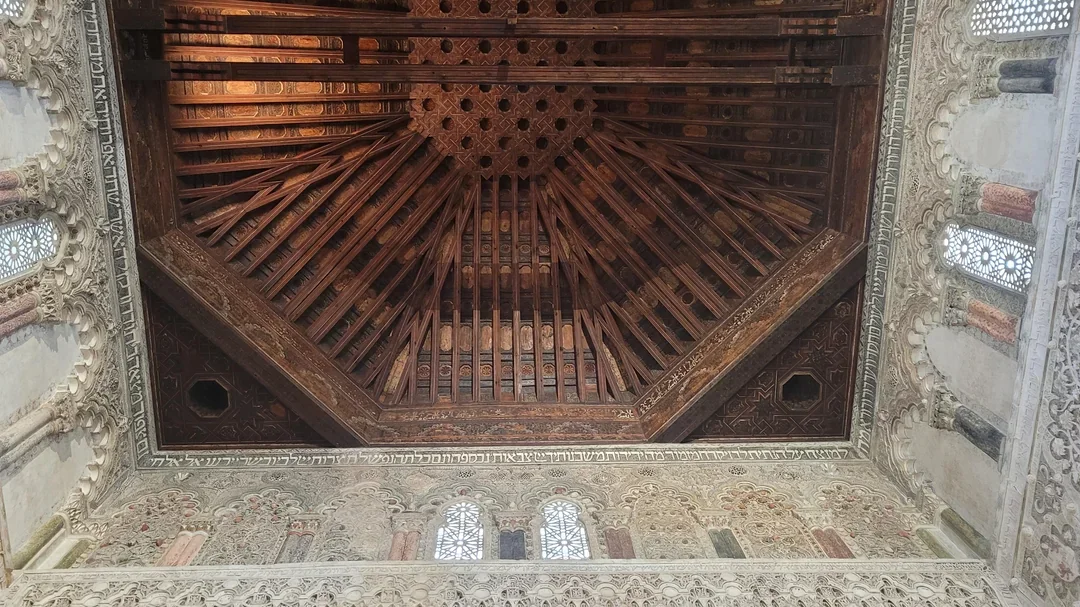
TAINTED BLOOD is a new musical drama set in Toledo in the final months before the Spanish Inquisition’s mass expulsion of the Jews. It follows Raquel Mendoza, the daughter of a prominent converso family, and José Hernández de la Haza, a young Christian nobleman, whose love collides with family honour, religious fanaticism, the purity of blood laws, and the machinery of the Inquisition itself.
Setting
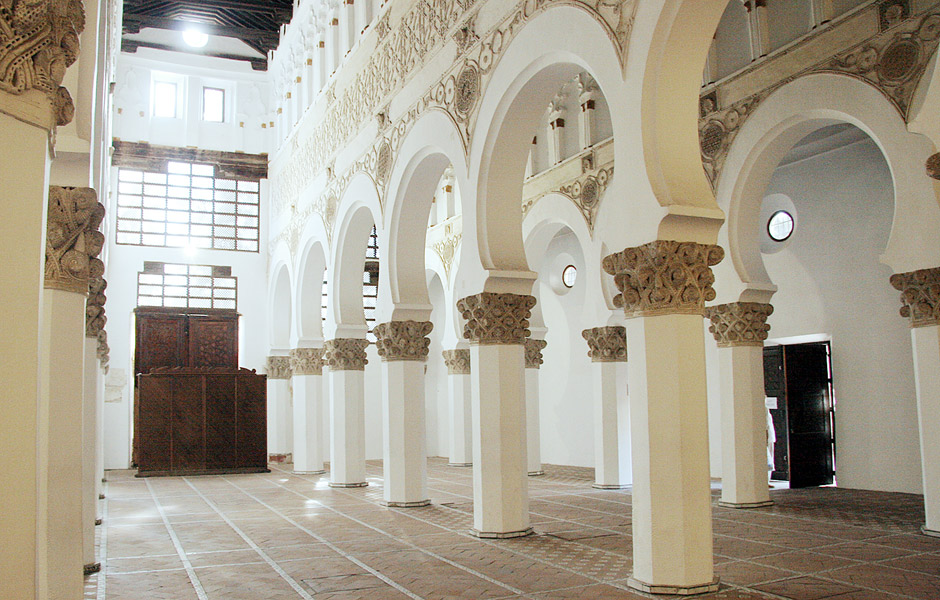
Toledo, Spain, and
Constantinople
Period
November 1491 –
May 1492
Genre
Musical drama — opera, ballad, swing, hip-hop, and Ladino Romansos

Cast Size
17 named roles reduced to a cast of 10 after doubling
Band
Six-piece: guitar, bass, keyboard, drums, violin, flute
Structure
Two acts
Songs From Tainted Blood
The show blends operatic drama, original contemporary sound, and the haunting inheritance of Ladino song to tell a story about identity, faith, and the price of belonging. This story feels startlingly relevant in an era of resurgent religious and ethnic division.
Genre-spanning & emotionally driven
The Story
Act One
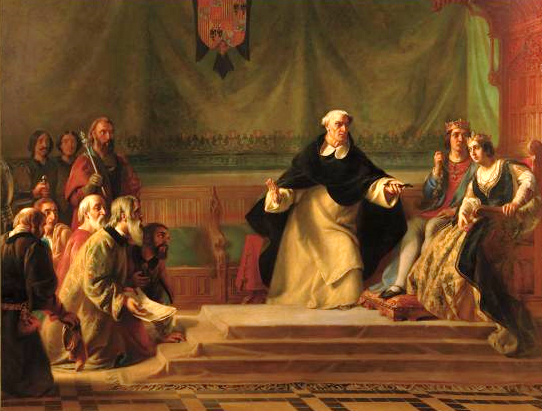
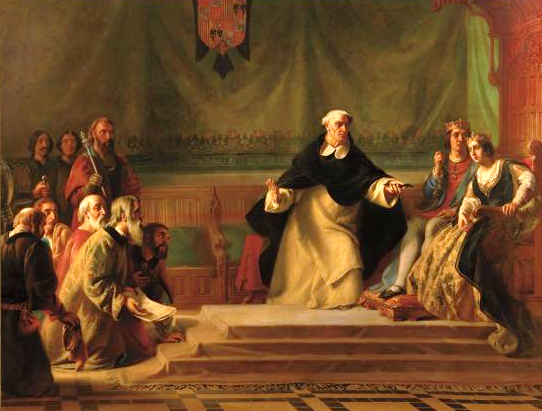
Under King Fernando and Queen Isabel — and the watchful eye of Grand Inquisitor Tomás de Torquemada — Toledo's converso families live a fragile, double existence. Raquel Mendoza, sharp and independent, falls for José Hernández de la Haza, a shy young nobleman from an Old Christian family. Their romance grows in secret, watched over by José's sister Flora and shadowed by his companion Isaac, Raquel's brother.
José believes love can close the divide: if the Mendozas convert, nothing stands between him and Raquel. His mother, Doña Mercedes, is implacable, and his father offers no resistance. When gossip carries the romance through the city, Doña Mercedes reports the Mendozas to the Inquisition. Facing an existential threat, the family converts — New Christians in name, still practising their true faith behind closed doors.
Act Two
Conversion doesn't erase suspicion, or silence Doña Mercedes. Worn down by the hatred aimed at her family, Raquel ends the relationship rather than make José its target. He refuses to accept it, and arrives at the Mendoza house on the eve of Passover — discovering the family observing the festival in secret. His fury at feeling deceived becomes the evidence that pulls him into the Inquisition's grip.
Summoned before the tribunal, José is sent to a cell to decide what he'll say — the lives of both families now hang on his silence. Vicente, a guard to both the prison and the household, helps him escape. Out of options in Spain, José flees with Raquel and the Mendozas to Constantinople, where Isaac's family had already found refuge. There, under Rabí Dawidi, José converts to Judaism, and he and Raquel marry — a union forbidden in the country of their birth, made whole in exile.
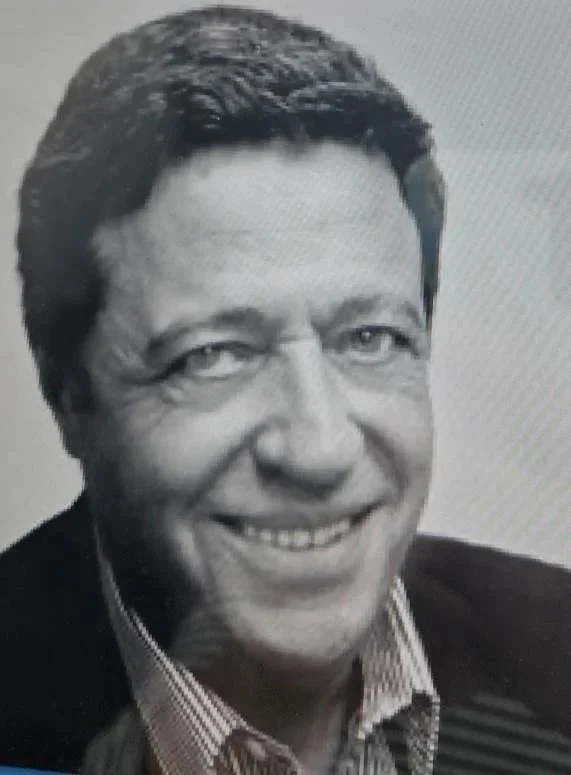
"Tainted Blood" is the only musical I have written since I retired. I took up the challenge because I wanted to get as far away as possible from my 50 years as a chartered accountant and CEO of two public companies. It has taken several years to complete, but it has been worthwhile spending a good part of my retirement on this beautiful venture for several reasons.
The first was simple: Ever since joining a synagogue choir at the age of six as a treble, I have adored all types of music. Writing and composing this musical meant that I was doing something completely different and so much more fun.
I was born in London, England and studied modern languages at King's College, where I fell in love with philology — the study of how language changes over time. I learned how Spanish had been shaped by the Jews of medieval Spain, who wove Hebrew into everyday speech-called Ladino. Cervantes himself used the word “enMAZELado” in “Don Quixote” to mean “to be lucky" — borrowing the Hebrew word “mazal”. My father, a well-known Sephardic rabbi, used to sing Ladino songs from medieval Spain, and I would smile every time I heard those lyrics, as they brought my old philology lectures to life in his voice.
Ladino stayed with me. An Israeli singer in my family became well known for recording beautiful Ladino songs that his mother had taught him, and my love for that music only deepened. But for an English-speaking audience to feel what these songs carry, they had to understand their meaning and emotion — so I translated some of them from Ladino into English, keeping a few original lines for flavour.
Of the 21 songs in the score, I composed more than half. What I needed then was a story to carry the music and an audience. So I wrote an interfaith love story set in Toledo just prior to the expulsion of the Jews.
The second motivation ran deeper. I read about the years before the Jews and Moors were expelled from the Iberian Peninsula by the Catholic monarchs, where, for the most part, Christians, Jews and Muslims worked harmoniously together - a period now called La Convivencia. But that coexistence ended abruptly once the Catholic monarchs and Torquemada, the Grand Inquisitor, came to power. That history seems to echo our fractured world today, and I wanted to write not just about what is, but what it could be one day.
About the Playwright